Ancient Greek Polytheistic Cults on the Acropolis
Learn how Athens’ polytheistic cults honored gods through ritual, sanctuaries, and offerings — and how the Acropolis embodied this sacred life.
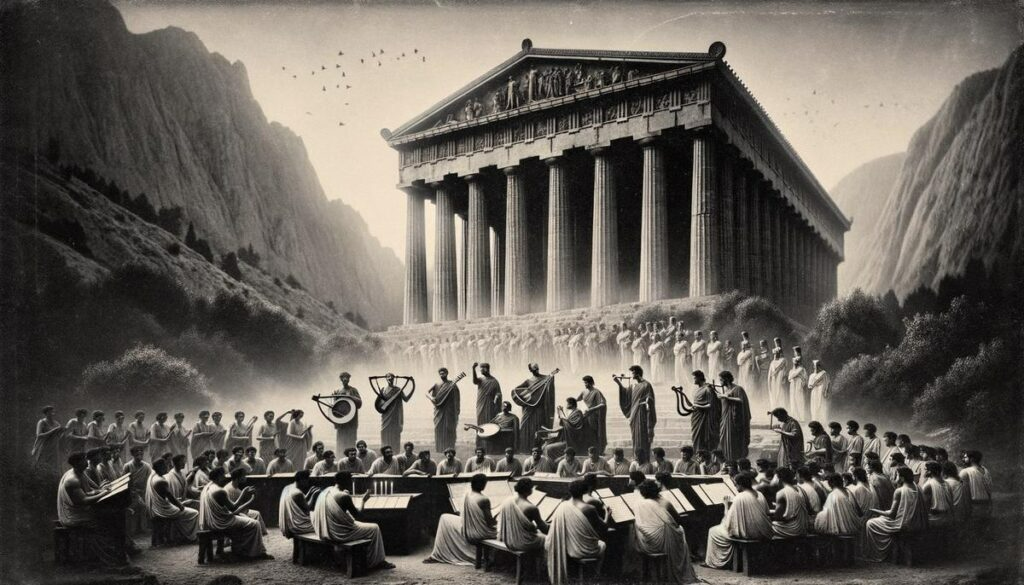
The Acropolis was a living sanctuary in a polytheistic world. Athenians honored multiple gods — each with distinct powers, shrines, and festivals — weaving worship into civic life, family customs, and artistic expression.
Athena’s cult at the heart of Athenian identity and protection.
🕊️ Gods of the Acropolis
- Athena Polias: Patron goddess of Athens; protector of wisdom, crafts, and the city.
- Poseidon: God of sea and earthquakes; rival claimant to Athens’ patronage.
- Nike (Victory): Celebrated in the Temple of Athena Nike for triumphs and balance.
- Zeus & other Olympians: Honored through altars, processions, and vows across the city.
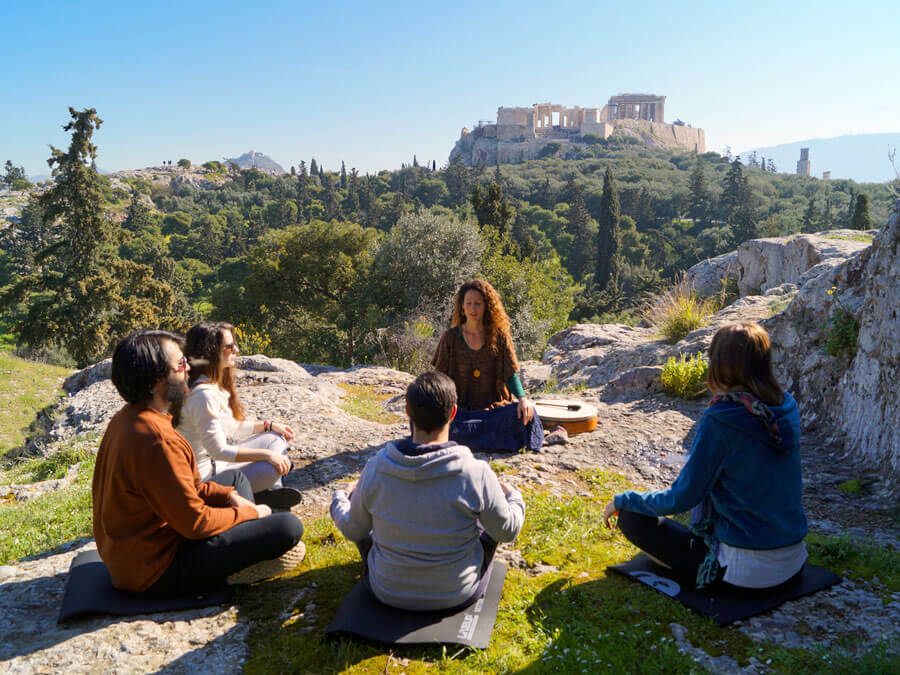 Processions united citizens, myth, and the urban landscape in ceremony.
🏛️ Shrines, Sanctuaries, and Relics
- Erechtheion: Site of Poseidon’s salt spring and Athena’s sacred olive tree.
- Ancient xoanon of Athena: Wooden idol clothed during festivals.
- Propylaea precinct: Threshold from civic life to sacred ritual space.
Offerings included oil, garlands, figurines, and votive tablets — tangible signs of gratitude and petitions.
🔔 Rituals & Priests
- Priesthoods: Managed altars, sacrifices, and festival logistics.
- Sacrifice (thysia): Ceremonial slaughter followed by communal feasting.
- Processions: From the Agora to the Acropolis during major festivals.
Rituals were public yet personal — families made vows, athletes competed for sacred prizes, and artisans adorned temples with narrative reliefs.
🎟️ Visiting Insights for Today
- See cult echoes at the Erechtheion and Temple of Athena Nike.
- Visit the Acropolis Museum to encounter original Caryatids and processional friezes.
- Read onsite panels to connect topography with myth and ritual routes.
❓ FAQs
- Was Greek worship monotheistic? No; it was polytheistic, honoring many gods with specialized domains.
- Were myths literal? Myths conveyed meaning and identity; rituals enacted these stories.
- Where to see artifacts? The Acropolis Museum and Agora Museum display cult-related objects.
Greek polytheism made the city a sacred map — with gods in marble, myth in procession, and ritual in everyday life.
Автор

Mythologist
Как любитель истории и путешественник, я создал этот сайт, чтобы помочь посетителям открыть для себя Акрополь и его древние сокровища.
Tags
Comments (0)
Loading comments...