Acropolis of Athens - History, Significance, and Legacy of Ancient Greece
Discover the Acropolis of Athens — an ancient citadel that became the symbol of democracy, beauty, and human achievement in the classical world.
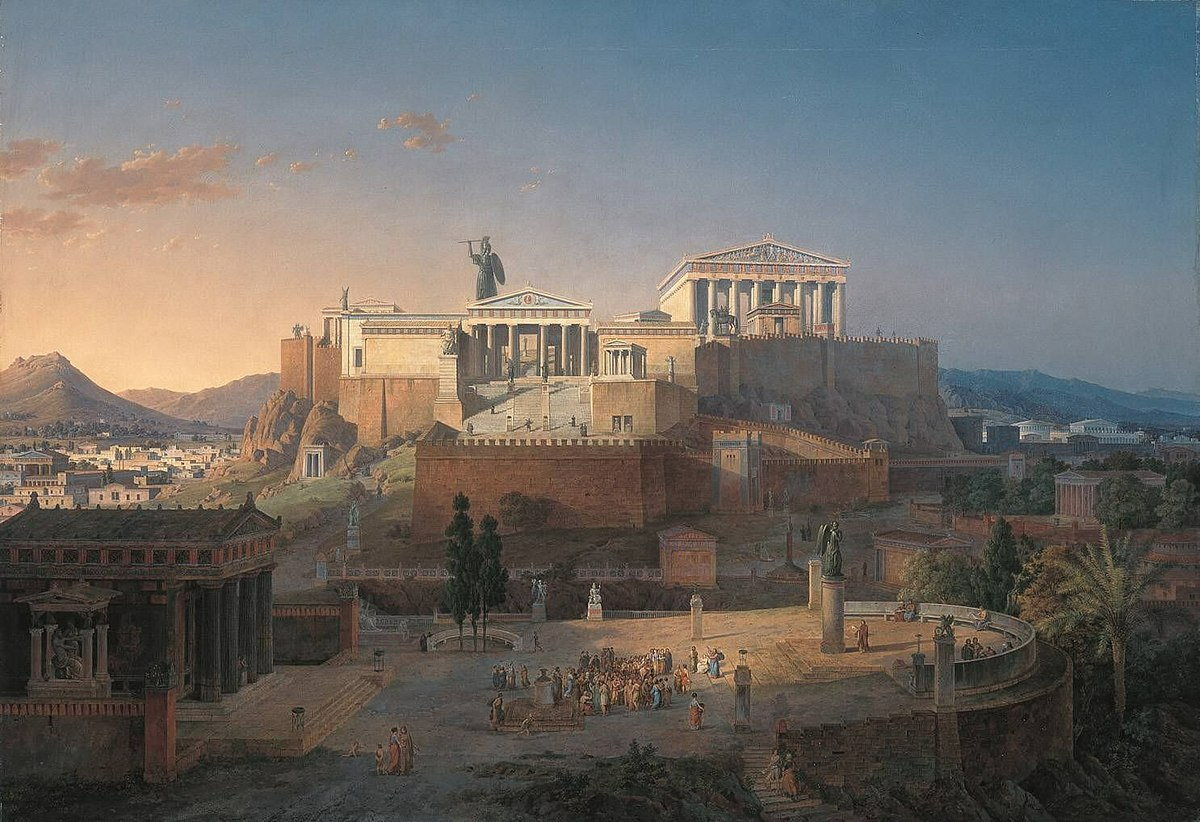
The Acropolis of Athens rises above the city like a crown of stone and memory — a symbol of human aspiration, art, and intellect.
It stands as the spiritual heart of ancient Greece, where religion, politics, and philosophy merged into a single vision of civilization.
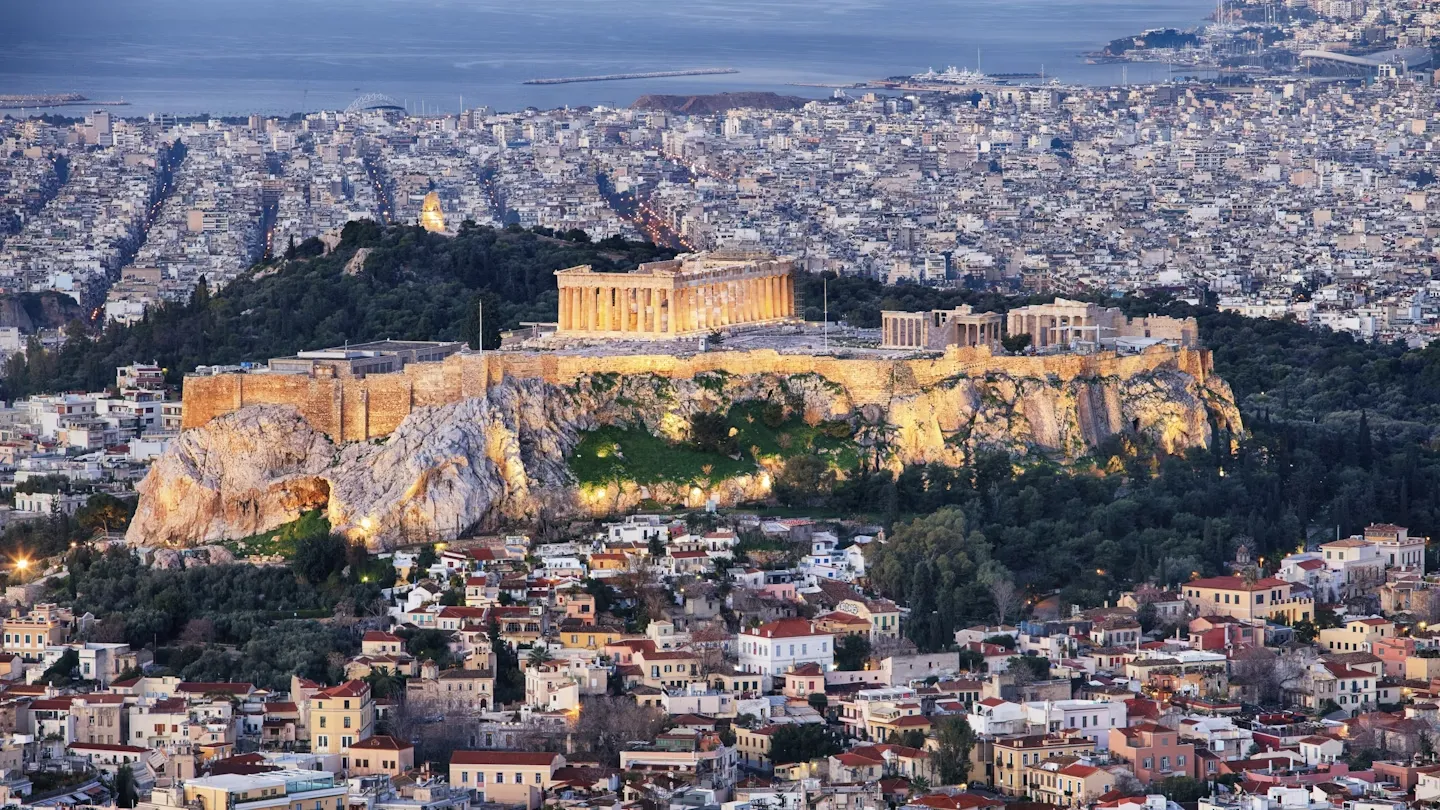 The Acropolis dominating Athens — cradle of Western civilization.
🏛️ Origins of the Sacred Rock
The word Acropolis means “high city.”
But long before temples of marble gleamed in the sun, this limestone plateau was a Mycenaean citadel, fortified in the 13th century BCE. Archaeological traces reveal Cyclopean walls, palatial structures, and early shrines dedicated to Athena, the city’s guardian deity.
By the 5th century BCE, under Pericles, the Acropolis was reborn — no longer a fortress, but a monument to civic glory and the divine feminine.
From its height, Athens proclaimed a new idea: that beauty and reason could serve as foundations for democracy itself.
“We are lovers of beauty without extravagance, lovers of wisdom without weakness.”
— Pericles’ Funeral Oration
Visualizing Mycenaean and Classical Athens upon the sacred rock.
⚖️ The Age of Pericles
In the aftermath of the Persian Wars, the Athenians sought to immortalize their victory and their ideals.
Between 447 and 406 BCE, master builders Ictinus, Callicrates, and Mnesicles, under the artistic direction of Phidias, transformed the plateau into a symphony of temples:
Each structure spoke the language of proportion, harmony, and sacred geometry — the visible order of the cosmos reflected in stone.
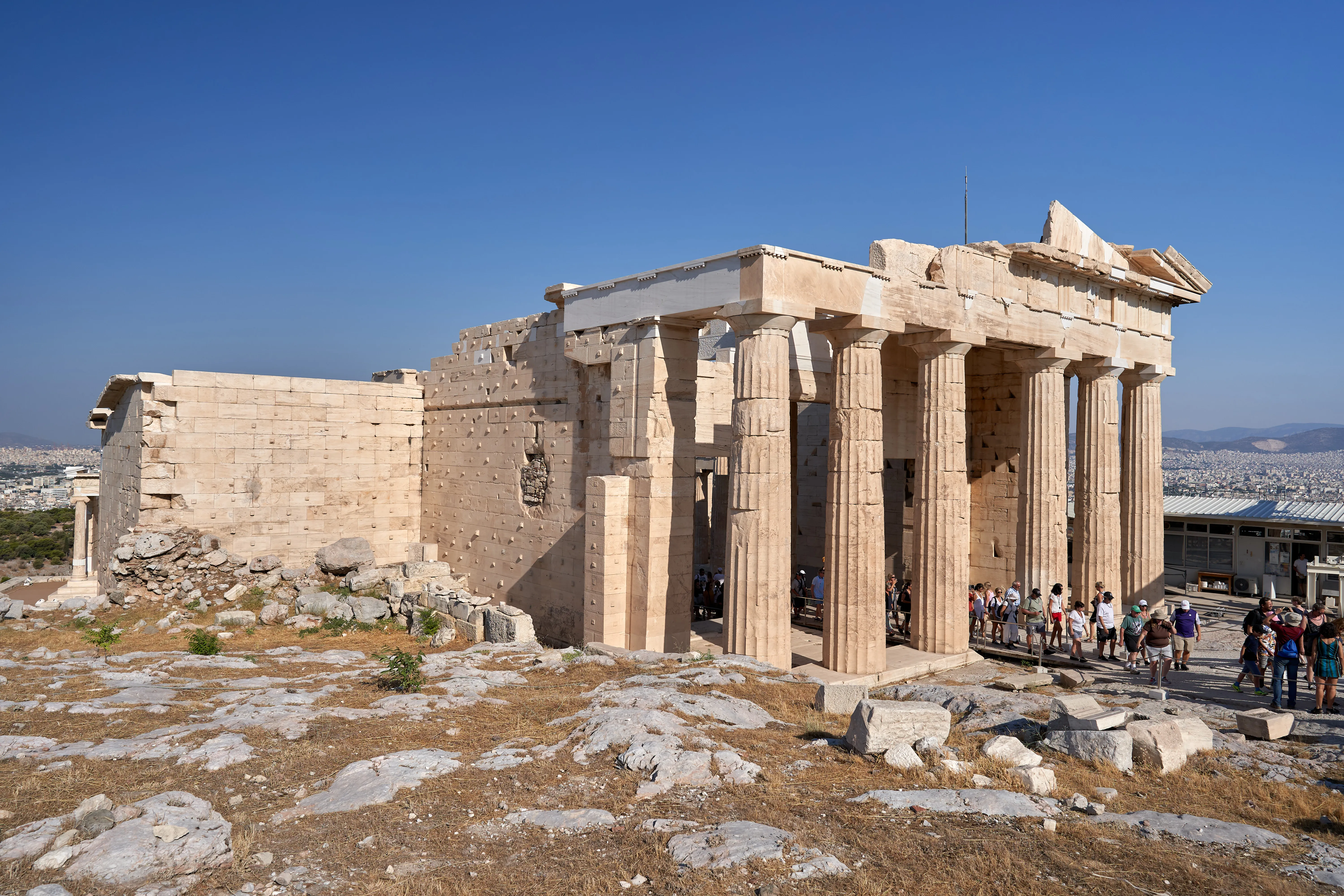 The Propylaea — threshold between the city and the divine precinct.
🌞 The Symbol of Civilization
The Acropolis was not only a center of worship but also a stage for ideas — where Socrates questioned, playwrights reimagined myth, and democracy debated its own ideals.
Its temples became manifestos in marble, expressing the unity of body, mind, and spirit — the core of the Greek worldview that would shape all of Western thought.
🔥 From Antiquity to Eternity
Through invasion, explosion, and neglect, the Acropolis endured.
The Parthenon was transformed into a church, a mosque, and later bombarded by Venetian cannon fire in 1687. Yet its ruins still radiate order and grace — proof that even broken, beauty survives destruction.
Today, the Acropolis stands as a universal symbol of freedom and intellect, recognized by UNESCO as “the greatest architectural and artistic complex bequeathed by Greek antiquity to the world.”
To stand upon the Acropolis is to look not only at history — but at humanity’s highest dream made visible.
About the Author

Cultural Historian
A history enthusiast and traveler, I created this site to help visitors experience the Acropolis and its ancient wonders.
Tags
Comments (0)
Loading comments...